
In Singapore, we carry water bottles everywhere, and kids are encouraged to hydrate regularly. Metal bottles bend and are expensive (I dare not think how many my kids have lost), and glass is fragile. So, we eventually default to plastic, avoiding BPA and other chemical compounds.
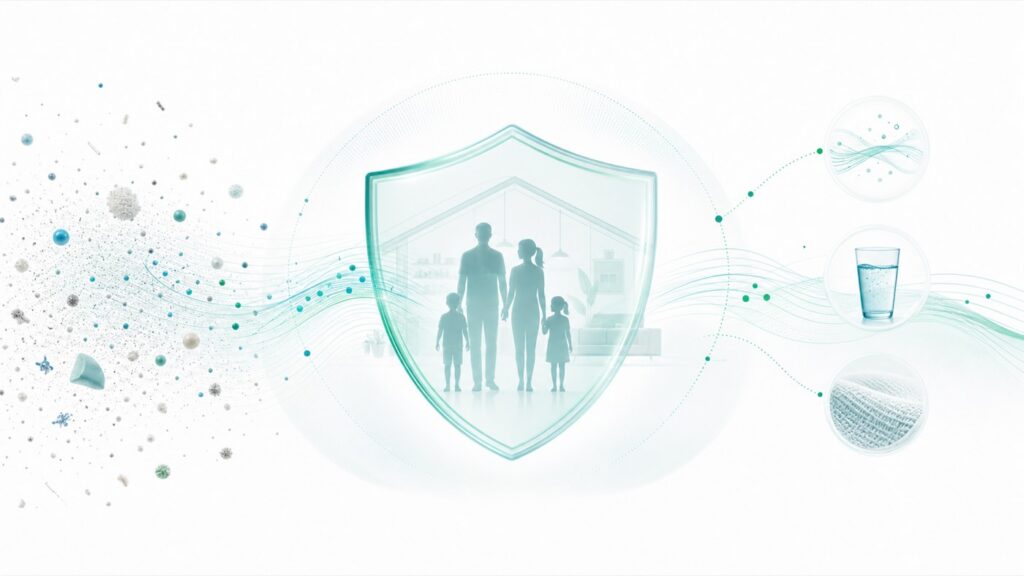
So far, so good, but I have recently learned that every breath we take may carry invisible microplastic threats. A 2023 study from South Korea revealed that most microplastics (MPs) in our bodies come from inhalation, not ingestion. These tiny particles infiltrate our lungs and bloodstream, causing inflammation, immune disruption, and DNA damage. The health implications are staggering, with links to heart disease and reproductive issues.
Our work at the Clean Air Fund targets reducing all airborne particles, but global policy moves much slower than plastic degrades. So it’s down to each family to protect themselves. Here’s how to reduce your exposure to these hidden invaders:
- Ditch plastic bottles and containers when possible: They shed microplastics, especially when reused.
- Say no to microwaving in plastic: Heat accelerates chemical leaching—opt for glass instead.
- Avoid black plastics: Often loaded with harmful flame retardants linked to hormone disruption.
- Keep kids safe: Steer clear of products made with polycarbonate and PVC.
- If you live near a road, consider HEPA air filtration or open windows on the opposite side of the road to avoid direct exposure.
- Choose natural fibres over synthetic ones in your clothing, especially sports clothing.
Further reading: Microplastics: It’s Not a Credit Card, It’s a Spoon · Check Yourself: What You Need to Know About Toxins · Why Your Clean Home Might Not Be (And What To Do About It)